


oktt | Exploring the Engaging World of Simulation Games
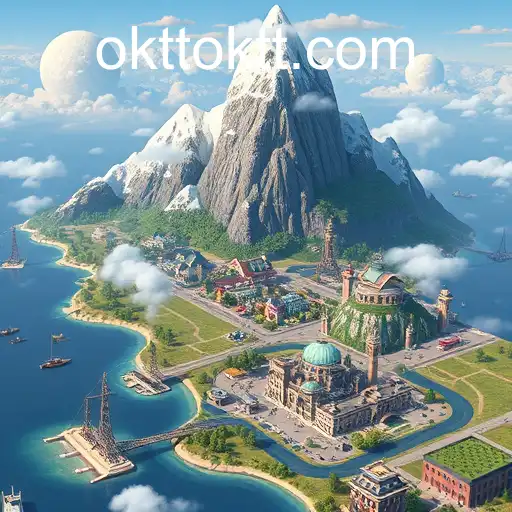
In the diverse landscape of gaming, simulation games have carved out a significant niche that appeals to a wide range of players. Known for their realistic settings and the freedom they offer, these games simulate real-world activities or fantastic environments, allowing players to experiment and experience scenarios they might not encounter in their everyday lives.
At the core of simulation games is the concept of mimicking real or hypothetical situations, and this is where the magic lies. This genre can span across various themes, such as life, construction, management, and even farming. Each subgenre offers a different flavor of gameplay that caters to various preferences. For example, titles like 'The Sims' allow gamers to delve into life simulation, managing characters through everyday life decisions, while games like 'Cities: Skylines' offer a city-building experience where players design and manage entire cities.
The appeal of simulation games lies in their open-ended nature. Unlike traditional games with defined objectives, simulation games often provide a sandbox environment where the player sets their own goals and challenges. This aspect of personal agency can lead to deeply engaging experiences, as players can experiment with strategies, test the limits of their creativity, or simply enjoy watching the world they have created unfold.
Moreover, technology has played a significant role in the evolution of simulation games. With advancements in graphics, processing power, and AI, these games have grown more realistic and complex, offering an unprecedented level of detail and immersion. For instance, flight simulators today use real-world data to mimic weather conditions and geography, offering players an authentic piloting experience.
Despite their immersive potential, simulation games often face criticism for their sometimes overwhelming complexity and steep learning curves. However, many developers have addressed these challenges by introducing tutorials and adjustable levels of difficulty, making these games more accessible to newcomers.
For those who enjoy problem-solving, creativity, and a touch of reality in their gaming, simulation games are an ideal choice. Whether managing a bustling metropolis, farming the land, or simply creating a virtual family, these games provide an outlet for imagination and a playground for exploration.
In conclusion, the world of simulation games is vast and varied, offering experiences that cater to almost every interest. As technology continues to advance, we can expect this genre to push the boundaries of immersion and realism even further, providing countless hours of fun and discovery for players both old and new.
